How it works
An incoming call, end to end
From the first ring to the owner hearing about it: every service a call passes through, what each one does, and how they connect.
The whole call at a glance
Scroll to see how it flows
Step 1:A call comes in
- Phone network
- Caller
- Carrier
Someone dials the owner’s shield number: a second number that the owner’s double answers.
- One shield number per person. One person, one account, one number.
- Rings first. Two rings by default before anything answers, so it feels like a phone.
Step 2:The carrier hands it over
- Phone carrier
- Carrier
- Voice
The phone company delivers the call as a signed request, then opens a live audio stream.
- The number belongs to a carrier. A call is answered only when it arrives through the carrier that owns that number.
- Signed webhook. Every request is checked against the carrier’s signature before anything else happens.
- Live audio. Phone-quality audio flows both ways over one open connection.
Step 3:The voice engine picks up
- Voice engine
- Voice
- Data
The conductor of the call. It owns everything about a conversation except running the AI models.
- Who is being called. Finds the account behind the number without ever storing the number in the clear.
- Who is calling. Works out the caller from the contact list and the carrier only, never from what the caller says.
- Call session. One state machine per call: connecting, greeting, listening, thinking, speaking, interrupted, ending.
- Greeting. The opening line is voiced ahead of time, so it plays at once.
- Database. Every row belongs to one account, and the database itself refuses to show it to another.
- Key vault. Each account has its own key. Destroying it makes that account’s data unreadable everywhere, backups included.
Step 4:Listening
- Speech service
- Voice
- Speech
The speech service hears the caller, notices the moment they finish, and turns their words into text.
- Knows voices, not people. The speech service never learns which account a call belongs to.
- Hearing the end of a turn. It tells a finished thought from a pause, and "mm-hm" from a real interruption.
- Speech to text. The caller’s words arrive as text within a fraction of a second.
Step 5:One turn of the conversation
- Under a second
- Voice
- Model
- Speech
- Caller
From the caller’s last word to the first syllable of the reply. The goal is well under a second.
1 Narrow
The owner’s rules for this caller cut every possible response down to the few that are allowed.
2 Think
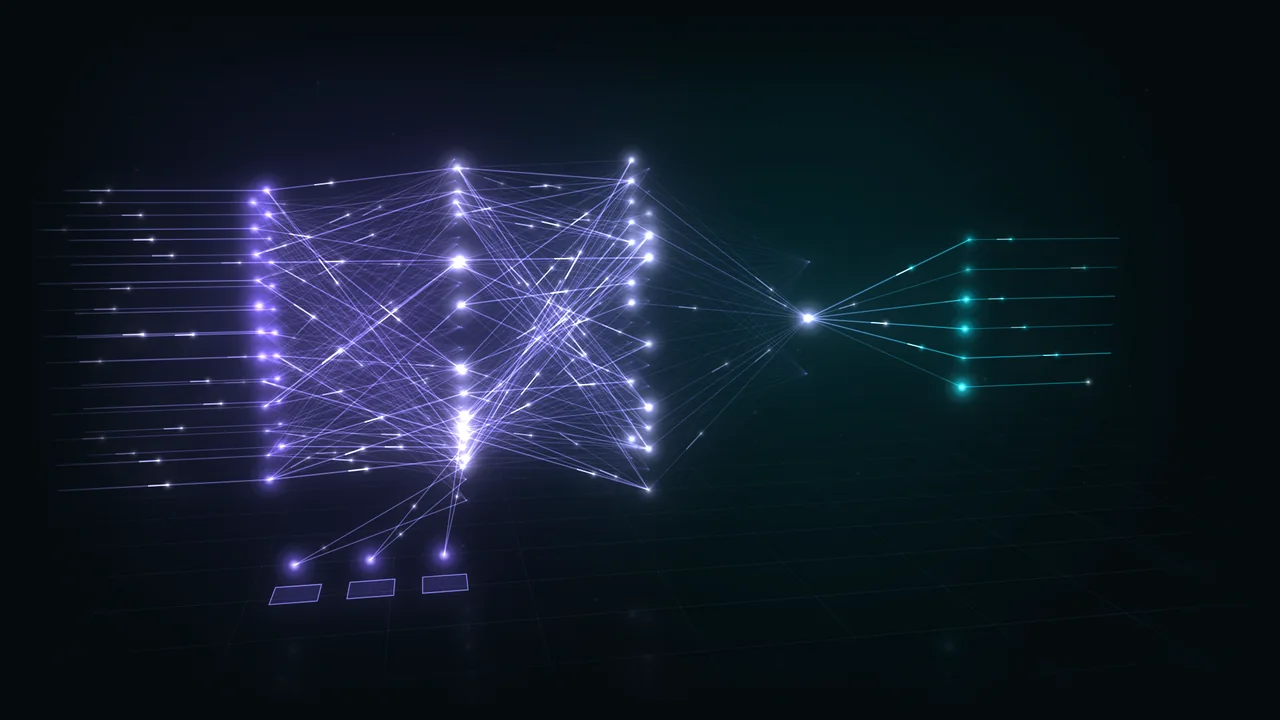
The language model reads the words, the allowed actions and what it remembers about this caller, and starts answering while still thinking.
3 Decide
The first thing it says is a decision: keep talking, or hand the call somewhere. It can only pick from the allowed list.
4 Check
Every sentence is checked before it is spoken: nothing private, nothing the owner banned, nothing made up, and an honest yes if asked "is this an AI?"
5 Speak
Each sentence is voiced the moment it is ready, in a voice cloned from the owner with their recorded consent.
Step 6:What the moment needs
- The owner’s rules
- Voice
- Carrier
- Owner
The owner decides, per contact, what their double may do. The call takes one of four paths.
Step 7:After the call
- Memory, per contact
- Voice
- Model
- Data
The call is written down, condensed into a short note for next time, and counted.
- The record. The transcript and timings are stored encrypted under the account’s own key.
- A note for next time. One short running note per contact, so the next call picks up where this one ended. Nobody else’s carries over.
- A second look. The call is reviewed for anything the owner should see.
- Audio. Recordings and voicemails are kept as files, never in the database.
- Minutes. Usage is counted in minutes, the unit customers think in.
- File storage. Voice samples, recordings and message media live here, reachable only through the API.
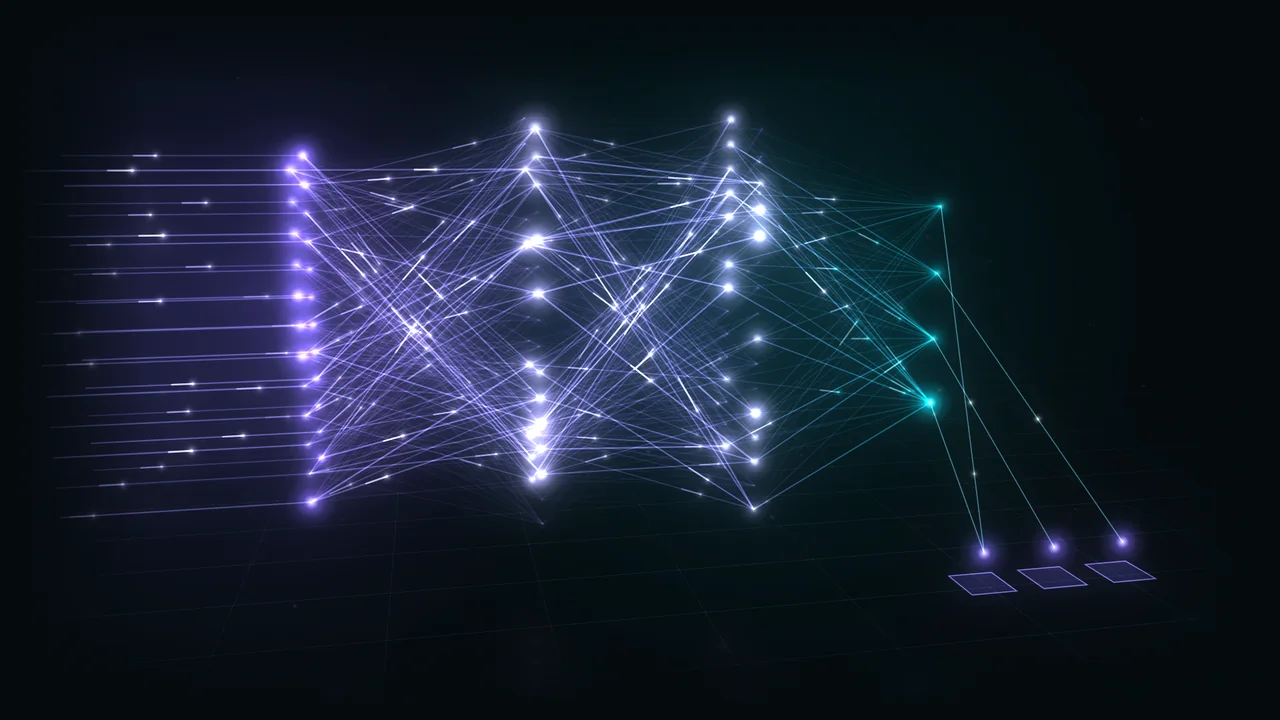
Step 8:The owner finds out
- Platform API
- Your app
- API
- App
- Owner
The owner never signs in to Ovance. Their app asks the platform API and shows the call under its own brand.
- A signed event. The app is told that something happened, with ids and counts only, never content.
- Read live, never copied. Transcripts, recordings and contacts are read from the API each time, so deleting them at the source deletes them everywhere.
- Keys stay on the server. The app’s API keys never reach a browser. Audio goes straight to the voice engine with a short-lived token.
The whole system
Everything a call touches is lit. The rest is what stands around it.
Cyan edge below: on the call path
The edge
- Domain and DNS The domain every service answers at.
- Mail Mail sent and received at the domain.
Our services
- Voice engine Calls and the turn loop.
- Speech service Hearing and speaking; knows voices, not accounts.
- Platform API What apps built on Ovance call, server to server.
- Console For Ovance’s own administrators only.
Data
- Database Isolation per account, enforced by the database itself.
- Key vault Destroying an account’s key is the deletion receipt.
- File storage Audio, voice samples and media, never in the database.
Models
- Speech models The cloned voice and speech-to-text, hosted, called from the speech service.
- Language models, cloud Each task is bound to the model suited to it.
- Language models, local A floor on our own hardware, for accounts whose data must not reach a cloud model.
Carriers
- Phone carrier Numbers and calls.
Beyond the call
- Onboarding and voice A guided conversation records the owner’s voice with consent and learns how they talk.
- Texts and replies The same persona answers texts and drafts replies, with one memory per contact.
- Deeper recall Past conversations can be searched by meaning, under the same isolation.